
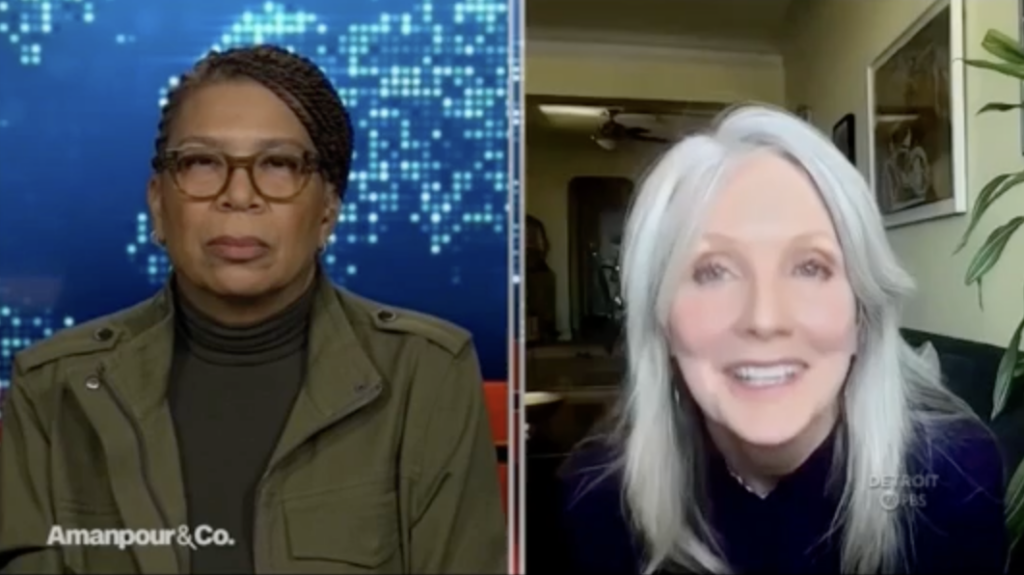
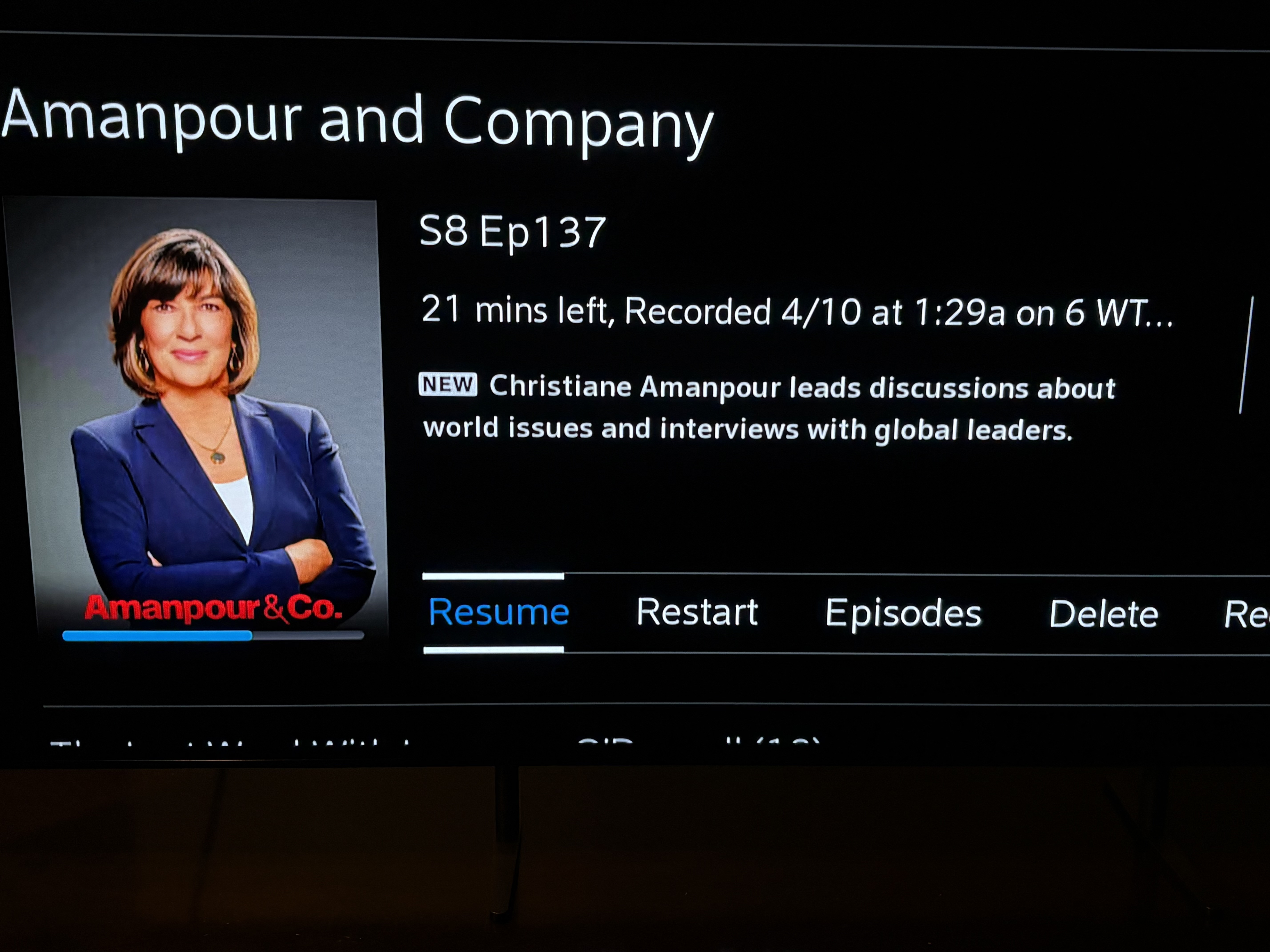
On April 9 and 10, 2026, Xfinity and PBS listed a “NEW” episode of Amanpour & Company. In reality, the entire hour was a rerun from almost two months ago.
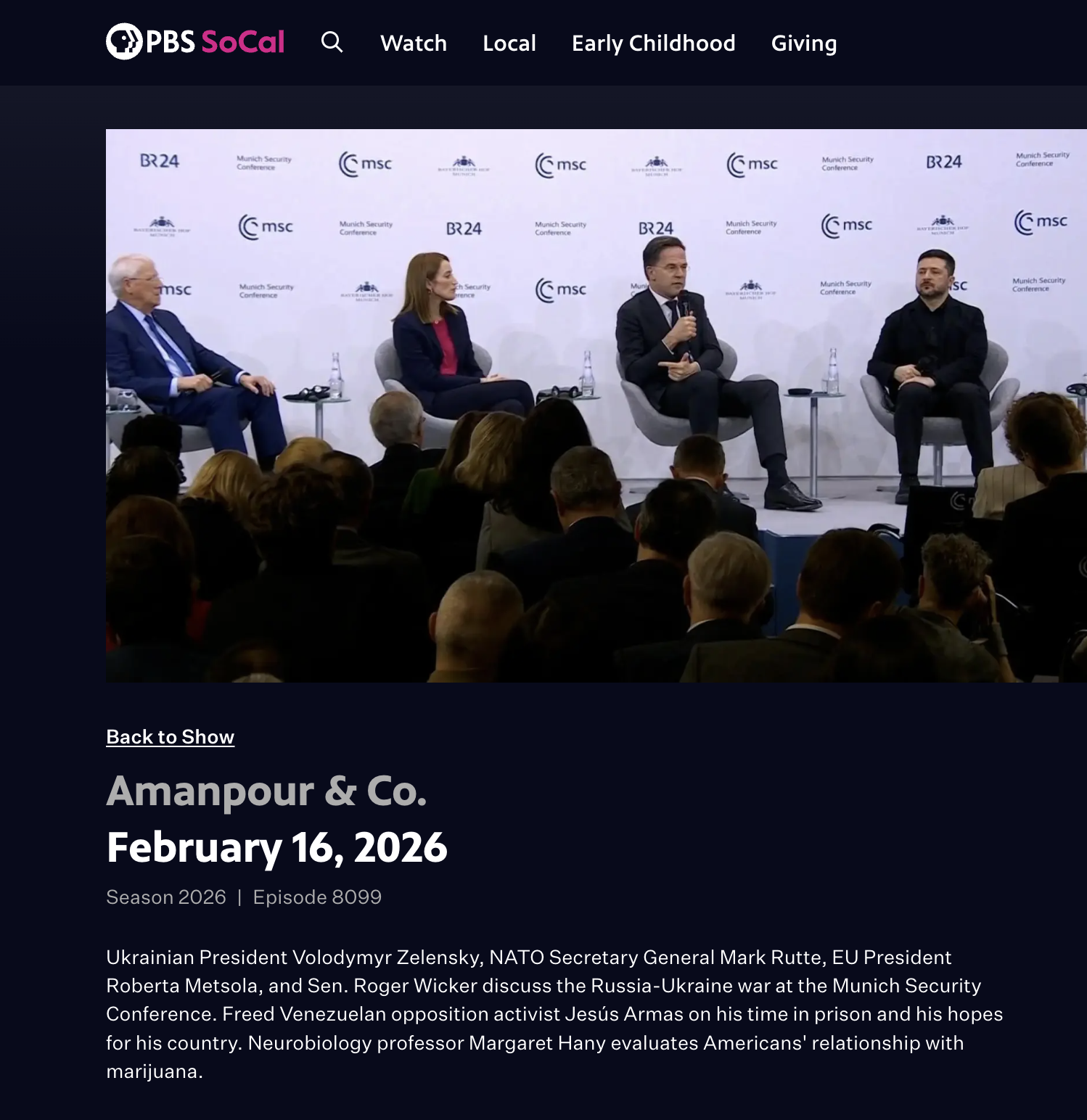
As shown on the official PBS pages, it included roughly 25 minutes from the Munich Security Conference panel focused on Zelensky, the full 18-minute marijuana discussion with Dr. Margaret Haney, “Does the U.S. Have a Marijuana Problem?”, and the interview with freed Venezuelan political prisoner Jesús Armas — all of which originally aired on February 16. Viewers expecting fresh journalism got a rerun from two months earlier.
PBS replayed a news episode from almost two months earlier while claiming it was new. That is pathetic. Who wants to watch old news? My DVR is set to record only new episodes, and it recorded this show.


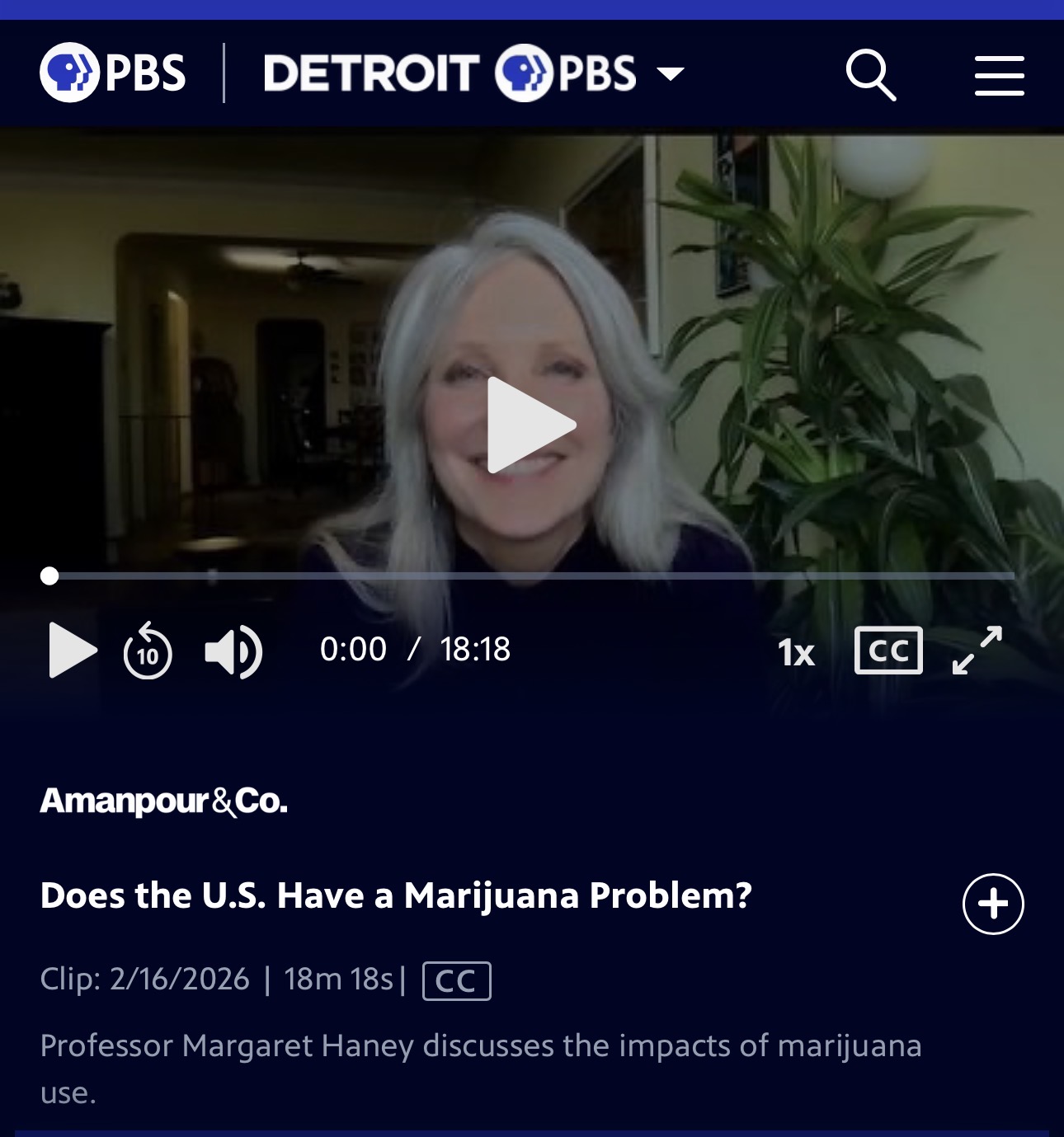
Viewers got recycled content packaged as “NEW” … including this 18-minute segment featuring Columbia neurobiologist Dr. Margaret Haney. She has spent decades researching marijuana’s effects on the brain, including controlled human laboratory studies with cannabis users, as well as extensive preclinical work with rats and other rodents on reinforcement, dependence, and withdrawal.
Here’s the warning she delivered about dispensary staff:
“If I can leave the viewers with one piece of advice, it is: do not believe a word your very friendly budtender tells you in a dispensary, because they’re making it up. Their claim the cannabidiol content is going to help with this, and the cannabidiol content is going to help with that. It’s nonsense. It’s made up. It’s based on in vitro data or mice data at best. They’re marketers, and they’re driven by the cannabis industry.
The other avenue I care about greatly is use during pregnancy. Not to demonize anybody, but again, you call the dispensary and say, ‘I’m nauseated and I’m pregnant,’ they’re going to tell you to come right in and get a particular product. Another time of tremendous brain development. Not a good time to be introducing cannabis or cannabinoids….
There are consequences to using cannabis. It can affect the metabolism of other drugs. It increases heart rate. It’s not the worst drug in the world, but there are consequences to using it. And whatever the budtenders tell you, you can just forget. Don’t trust that. Don’t trust them at all.”
Budtenders don’t base their advice on test-tube or cell-culture experiments (in vitro studies) or mouse research. They rely on thousands of customer interactions, personal experience, and real feedback: “This strain helps a lot of people sleep,” or “Customers say this ratio works for pain.” That’s anecdotal evidence from actual human users, not test-tube or mouse data.
I haven’t used cannabis in over 10 years, so I have no dog in this fight. But her condescending attitude rubbed me the wrong way. She speaks as if only credentialed scientists like herself are qualified to observe cannabis’s effects, while budtenders and millions of users are constantly “testing” it on real people every day. Dismissing practical experience as worthless marketing is elitist. Since when have millions of customer experiences counted for nothing, while her research — funded by NIDA (National Institute on Drug Abuse) since 1999 — is treated as the final word? NIDA’s primary focus is the harms and addiction potential of cannabis, so she has a clear bias.
She said: “Whatever the budtenders tell you, you can just forget. Don’t trust that. Don’t trust them at all.”
Yeah … trust the scientist funded by the U.S. government on public television instead.
I was surprised to hear her highlight dispensaries recommending cannabis to pregnant women for nausea. We can all agree that pregnant women should not use drugs or alcohol. Major medical groups like ACOG and the CDC strongly advise complete avoidance during pregnancy.
PBS replayed 18 minutes of the marijuana segment with Dr. Haney, 25 minutes of the Munich Security Conference panel, and 12 minutes of the interview with Venezuelan political prisoner Jesús Armas — then called it “NEW.” Even the final two minutes about South American carnivals and Indigenous dance groups were from February or March.
PBS too often fills airtime with reruns and recycled segments instead of producing fresh journalism. If they want to lecture viewers about trust and skepticism, they should start by being more transparent about their own recycled programming.
I bet a lot of PBS viewers use marijuana. I wonder what they thought the second time they heard a scientist call their friendly budtender a liar.
The Propaganda Broadcasting Service is so desperate for news that they are replaying old content.
Want to waste some time? Turn on PBS.
Watch On Rumble